
Apple Watch Recovery HRV: Series 12 & Ultra 4 for Stress
Apple's new Health Sensing System samples HRV up to 24x more often. Here's what Recovery HRV actually tells you about stress and recovery — and where a dedicated stress app fits in.
Apple's 2026 watches changed one quiet but important number: how often they read your heart-rate variability (HRV). The Apple Watch Series 12 and Apple Watch Ultra 4, both announced on September 9 and on sale since September 18, 2026, can now sample HRV as often as every five minutes — roughly 24 times more frequently than before.
That matters if you care about stress, recovery, or simply understanding your body's daily rhythm. This guide explains what changed, what Recovery HRV actually is, how to find it on your watch, and what it can — and cannot — tell you about stress.
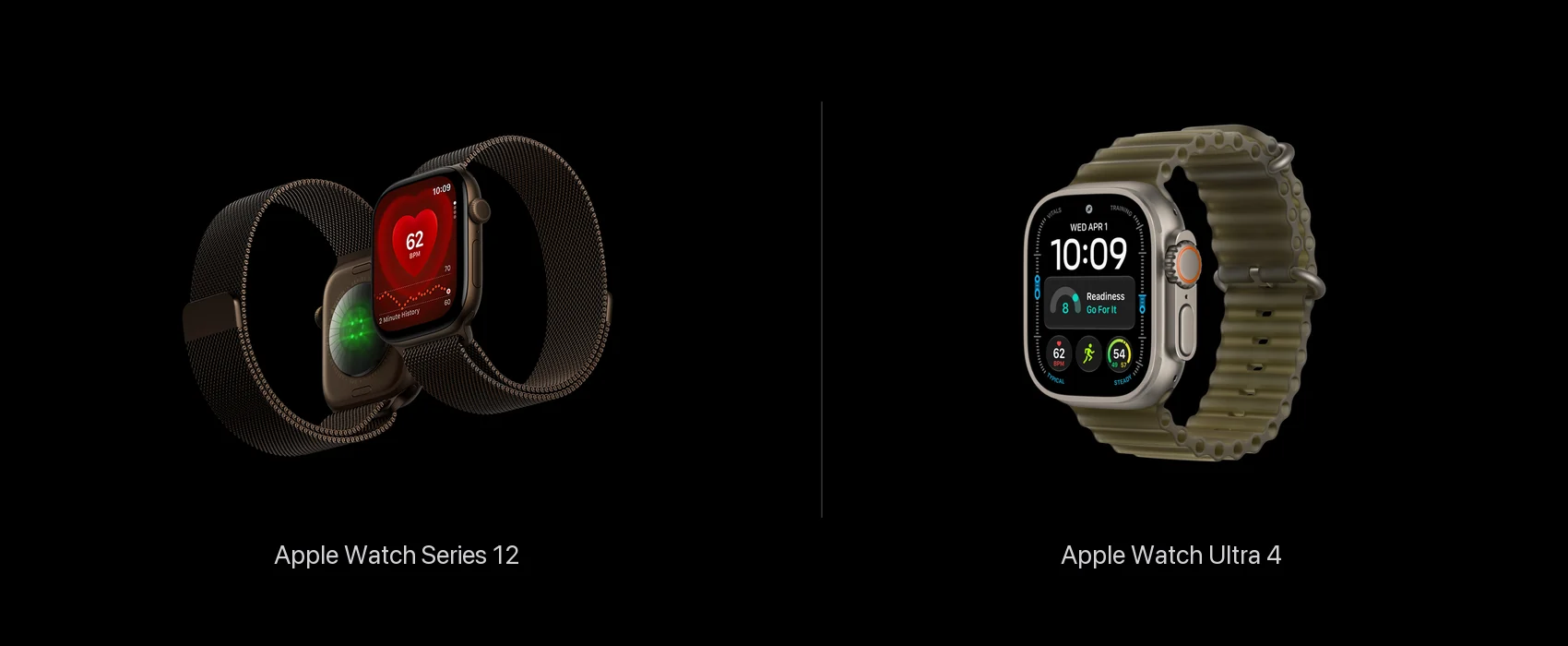
Product photos: Apple (official press materials).
What changed with HRV on Series 12 and Ultra 4
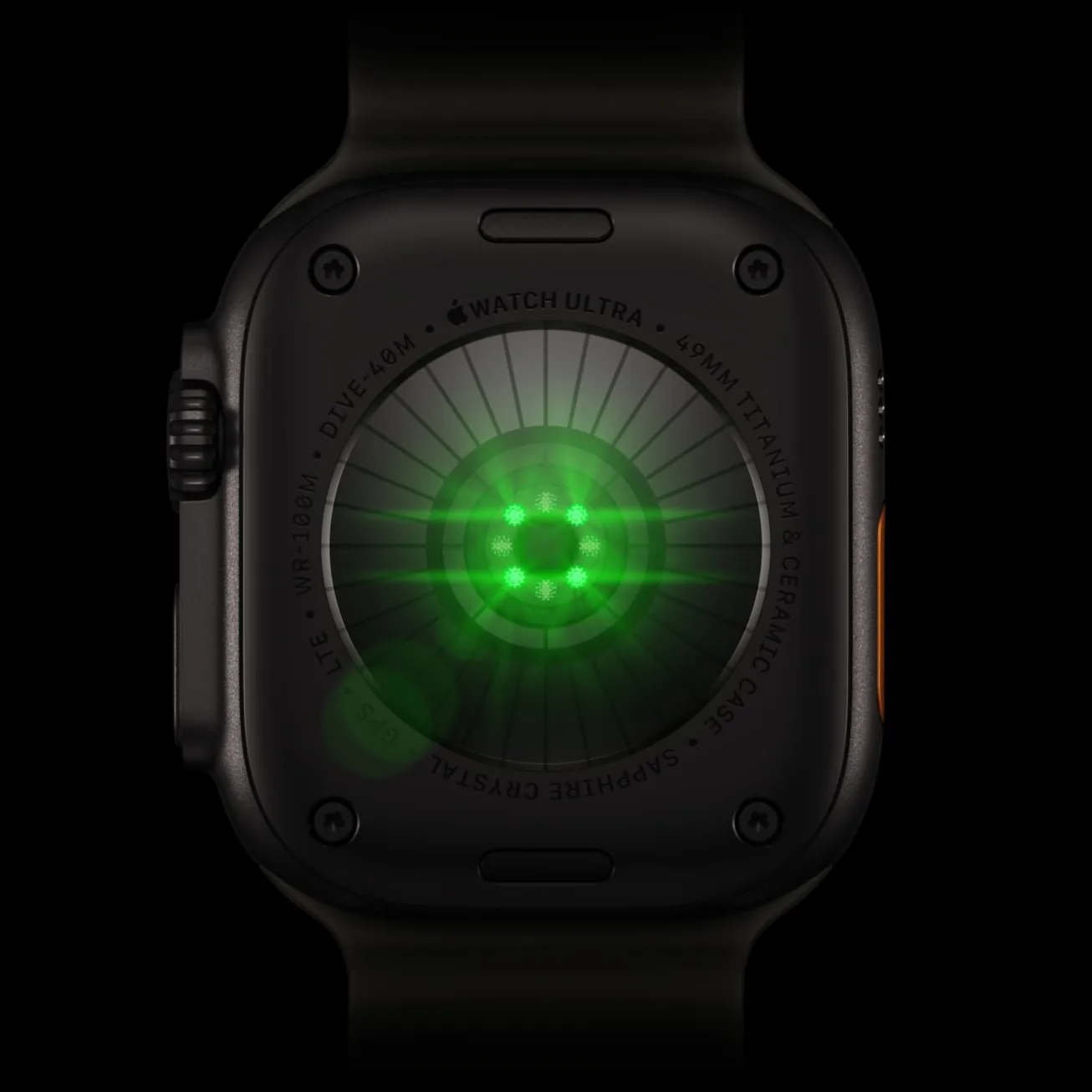
Both models share a new Health Sensing System: redesigned optical and electrical heart sensors with larger, more power-efficient green LEDs. The practical effect is two big jumps in frequency:
Background heart rate is now recorded every 5 seconds, all day — up from roughly every 5 minutes on Series 11.
HRV can be measured as often as every 5 minutes, up from an opportunistic reading roughly every two hours.
Apple says a study of more than 1,000 participants found its new heart-rate sensing the most accurate among leading wearables, and HealthKit in iOS/watchOS 27 now includes a native RMSSD HRV type alongside the long-standing SDNN metric. On the watch, Apple surfaces two HRV views — Recovery HRV (best for daily stress and recovery) and Overall HRV (broader health) — and while the industry reads Recovery HRV as RMSSD-derived and Overall HRV as SDNN-derived, Apple has not formally published that mapping.
What is Recovery HRV, exactly?
HRV is the small variation in the time between one heartbeat and the next. It reflects how flexibly your autonomic nervous system — the sympathetic "push" and parasympathetic "calm" branches — is regulating your heart. So HRV is really an umbrella term covering several ways of measuring and summarizing those beat-to-beat gaps, not a single number.
Recovery HRV is not a separate metric that sits beside HRV. It is HRV measured during the recovery phase — a time-based slice of the same signal, not a different physiological quantity. Where broad HRV asks "how is my overall regulation?", Recovery HRV asks "how well is the body bouncing back?".
Following the vagal "tank" model, HRV is often split into three dynamic phases:
Resting HRV — your baseline while quiet, a snapshot of underlying regulation.
Reactive HRV — the immediate shift when you face a task or stressor, showing how fast you respond.
Recovery HRV — how quickly HRV returns toward baseline after stress or exercise. This is the slice Apple surfaces.
Two easy mix-ups to avoid:
Recovery HRV ≠ Heart Rate Recovery (HRR). Recovery HRV looks at the variability of beat-to-beat intervals during recovery. HRR looks at how fast the heart rate number itself falls after you stop moving (beats dropped in the first minute). Both reflect parasympathetic reactivation, but they measure different sides of autonomic function.
Recovery HRV vs. "overall" HRV on Apple Watch. Recovery HRV is the HRV Apple captures when you are at rest (which includes, but isn't limited to, sleep), then compares against your personal baseline in Overnight Vitals to capture short-term daily recovery. The broader HRV view pools moments across the day and across weeks to show longer-term cardiovascular trends.
Important: Apple frames Recovery HRV as a possible indicator of stress and recovery. It is not a medical diagnosis, and one reading proves nothing about how you feel or why a number moved.
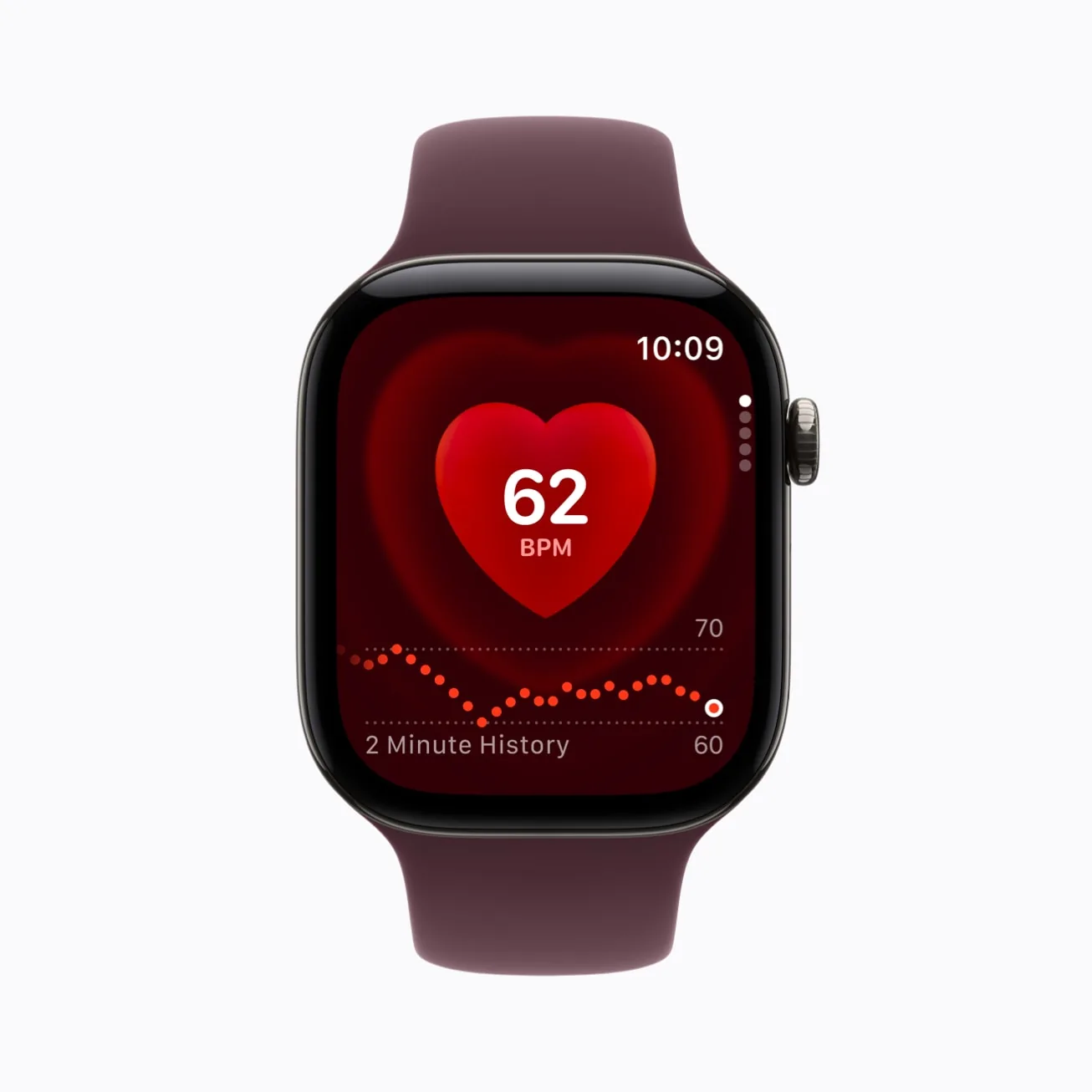
How to see your Recovery HRV on Apple Watch
Open the Heart Rate app on your Apple Watch.
Turn the Digital Crown to scroll down to Recovery HRV.
View the readings as a pattern against your own baseline, not against a universal target number.
Recovery HRV itself is available without setup. The separate Readiness score (0–10) that also uses this data requires you to wear the watch to sleep for at least seven nights (of the past 49) to build a baseline, and is exclusive to Series 12 and Ultra 4.
Can Apple Watch measure stress?
Short answer: it can indicate stress, but it does not diagnose it.
HRV is a physiological signal that responds to mental stress, but a wearable number alone can't reliably tell you what you're feeling or why a value changed. A 2025 systematic review and meta-analysis noted that the available evidence for Apple Watch measurement accuracy is limited. Treat HRV as one signal among many — sleep, activity, and how you actually feel matter just as much.
This honesty is the point. A single HRV dip isn't "you are stressed." The useful question is whether your numbers are drifting outside your usual range.
The gap: sampling vs. continuous awareness
Apple samples HRV when you are still, at most every five minutes. That leaves gaps during movement, workouts, and busy parts of the day — exactly when stress often spikes. Readiness is powerful but needs a week of sleep data before it speaks.
If you want ongoing, personalized stress awareness rather than periodic snapshots, that's where a dedicated app helps.
Stress HRV: turning HRV into everyday awareness
Stress HRV is an iOS and watchOS app that reads the HRV and heart-rate data your Apple Watch already collects from Health, then turns it into continuous, personalized stress tracking:
Your baseline, not a population average. It compares you against your own recent distribution, not a one-size-fits-all threshold.
Four clear states. 元气满满 / 状态正常 / 有些疲惫 / 状态糟糕 — from recharged to overloaded.
Alerts only on real change. It learns your watch's sampling rhythm and notifies you when your state actually shifts, not on every sample.
On-device privacy. Data stays on your device.
Stress HRV is a complement to Apple's native features, not a replacement — and it is not a medical device. Think of it as the layer that makes the new every-5-minute HRV signal useful in daily life.
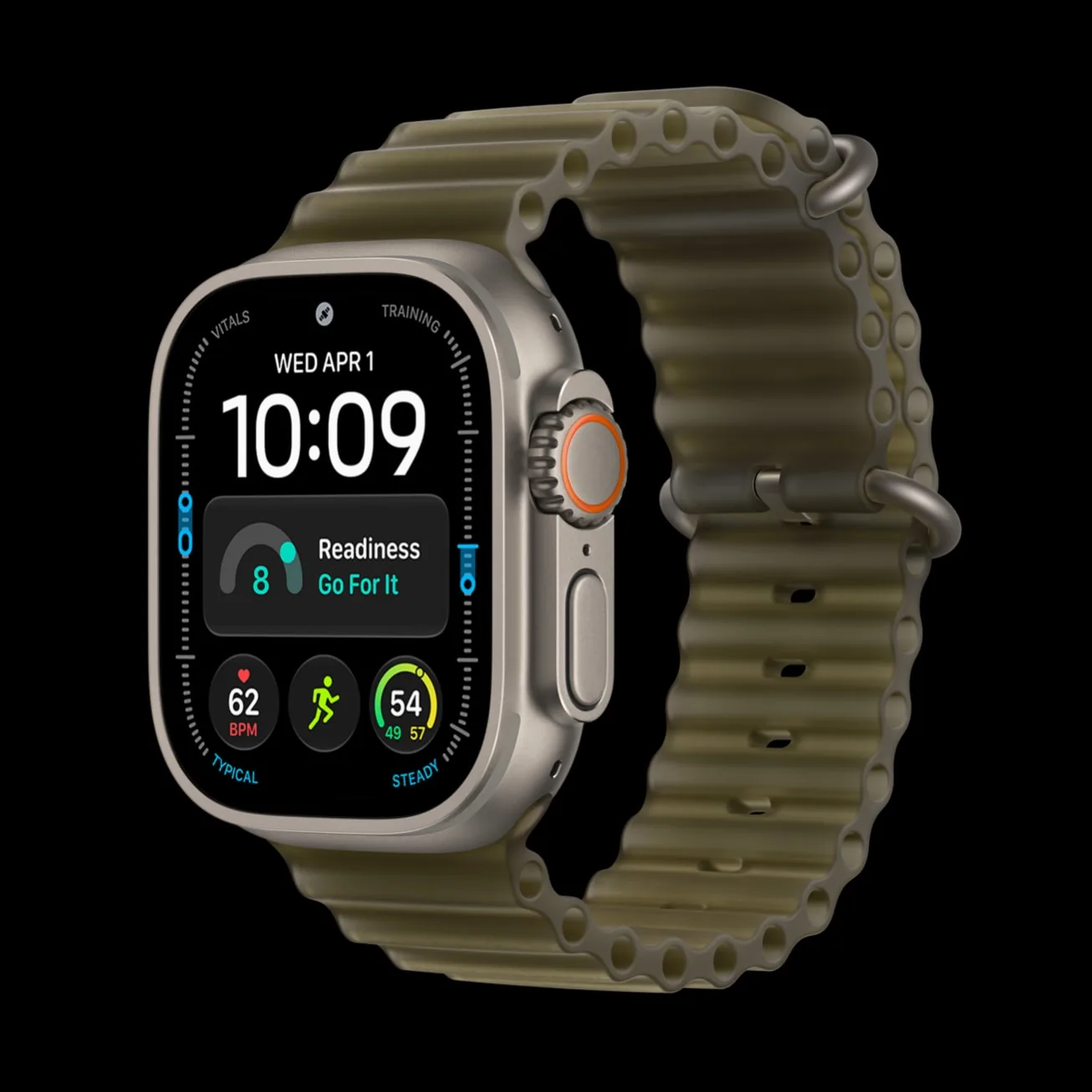
Apple Watch Series 12 vs Ultra 4: HRV is the same
Wondering which watch tracks HRV better? They don't differ on HRV — both get the identical new Health Sensing System.
| Feature | Series 12 | Ultra 4 |
|---|---|---|
| Health Sensing System | New sensors | New sensors |
| Background heart rate | Every 5 seconds | Every 5 seconds |
| HRV sampling | As often as every 5 min | As often as every 5 min |
| Recovery HRV | Yes | Yes |
| Readiness score | Yes | Yes |
| Battery (everyday) | Up to 24 hrs | Up to 50 hrs |
| Best for | Daily wear | Endurance / outdoor |
Choose Ultra 4 for battery life, size, and ruggedness; choose Series 12 if you want the same HRV insight in a lighter, cheaper package.
FAQ
Does Series 12 measure HRV more often than Series 11? Yes. Series 12 and Ultra 4 can sample HRV as often as every 5 minutes, versus an opportunistic reading about every two hours on earlier models — up to 24x more frequent.
Is Recovery HRV the same as HRV? Not a different signal — a different window. Recovery HRV is the same HRV, measured during the recovery phase (Apple surfaces it in the Heart Rate app and compares it against your personal baseline in Overnight Vitals). It answers "how well am I recovering?", while broader HRV answers "how is my overall regulation?".
Can Apple Watch tell if I'm stressed? It can indicate stress through HRV trends, but it does not diagnose stress or any condition. Use it as one signal alongside how you feel.
Do I need Ultra 4 for Recovery HRV? No. Both Apple Watch Series 12 and Apple Watch Ultra 4 show Recovery HRV.
Which is better for stress tracking — Apple Watch or an app? They work together. The watch provides the sensor and the HRV data; an app like Stress HRV turns that data into continuous, personalized awareness.
Keep reading
Try these ideas in Stress HRV
Download on the App StoreThese notes share product thinking for personal wellness. They are not medical advice.